Articles
What sound, lighting and video equipment you need for a corporate party, conference or wedding, and how to plan it all in advance.
What sound and lighting equipment you need for a kids’ birthday, a milestone birthday or an outdoor party. A practical checklist before the celebration.
LED spotlights, moving heads, lasers and a fog machine: which light effects to choose and how to combine them for a party or event.
JBL PartyBox 110, 310, 710 and 1000 compared: power, battery and what each speaker is best for. Which one should you rent for your party?
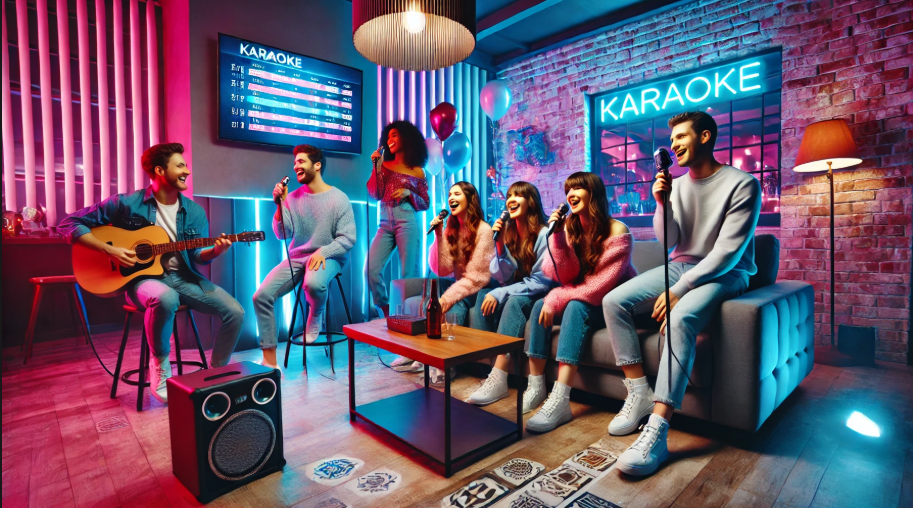
What a karaoke set includes, which one to choose for a house party, birthday or corporate event, and how to prepare for a karaoke night.
How to choose sound equipment for your event based on the number of guests, the venue and the type of event. Tips before ordering sound equipment rental in Vilnius.
What is an amplifier and what is it for? Sound, an inseparable part of everyday life, becomes a real pleasure when it is reproduced with quality and power by sound equipment. An essential part of this experience of playing music or other audio sources is the amplifier, a device that transforms and boosts the electrical signal that later becomes the sound we can hear. The role of the amplifier in sound equipment The main purpose of an amplifier in sound equipment is to increase the volume without losing quality. The challenge amplifiers face is keeping the sound clear and transparent regardless of the strength of the original signal. Amplifiers do this important job using various types of technology, such as transistors or valves. An amplifier can be built into all kinds of sound equipment, from home cinema systems to professional sound reinforcement systems at concerts. Whether it is home equipment or concert gear, the amplifier is the direct link between the electrical signal and our ears. Its importance makes it an essential component of the world of sound. Types of amplifiers and technologies Amplifiers in sound equipment can be of different types and use various technologies. Classic amplifiers use transistors or valves, while more modern models may be built with advanced electronics. Each type of amplifier has its own advantages and limitations, so the choice depends on specific needs and preferences. Sound equipment in everyday life At home, an amplifier is often built into a TV or music player. It transforms the signal from the source and gives the sound the power it needs, making sure even the smallest nuances can be heard. In professional sound systems, amplifiers are vital for ensuring quality sound reproduction in large spaces. Conclusion An amplifier is not just a booster of an electronic signal; it is a transformative link that lets us hear music, sounds and voices with greater intensity and clarity. Although often overlooked, this device is an essential part of sound equipment that shapes our listening experience and lets us enjoy quality sound in everyday life.
How to choose the right sound equipment? What sound equipment should you choose to meet your expectations? From listening to music and watching films to gaming or even virtual reality, the right sound equipment is essential. But choosing it can be a challenge, as there are countless options on the market. In this article we discuss the main factors to consider when choosing the best sound equipment. Goals and use First, define your goals and how you plan to use the sound equipment. Is quality music listening, a home cinema system, gaming or something else most important to you? Different goals may call for different sound equipment. Sound source It is important to decide what your main sound source will be. Will it be a TV, a computer, headphones or other equipment? This will help you determine which connections you need and whether you need an additional audio interface. Power and quality Power and sound quality are the two most important parameters. If you plan to fill a large room with sound, choose more powerful sound equipment. But do not forget about sound quality, which depends on many factors, including the quality of the speakers, the amplifier and more. Multi-channel sound and surround effect If you want a cinema or concert experience, pay attention to multi-channel sound technologies and surround effects. This can be important, especially when building a home cinema system. Connections and compatibility Check that the sound equipment you choose is compatible with the equipment you already have. You need the right connections to plug in various devices such as TVs, computers or game consoles. Value for money Whatever you are ready to invest, it is important to find the right balance between price and quality. Sometimes more expensive sound equipment delivers better sound quality and a longer service life. Reviews and ratings Before making a final decision, read reviews of different sound equipment models. Other users can give useful information about specific models and help you make the best choice.
5 tips for throwing a great party! When organising a successful party, it is important to pay attention not only to food and drinks but also to the sound. Good sound equipment can greatly improve your guests’ experience by giving them a great musical backdrop. Here are some tips on how to throw a great party, including quality sound equipment. Choose the right venue Before planning a party, think about where it will take place. Choose a venue with enough room not only for your guests but also for the sound equipment. Also pay attention to the acoustics: for sound waves to travel smoothly, a spacious and well-insulated area is best. Invest in good-quality sound equipment If you can, invest in good-quality sound equipment. It could be quality speakers or even a home cinema system with surround features. Good sound equipment will give your party professional, clear sound. Match the music to the event Choose music that fits the theme of your party and your guests’ taste. For a formal event, classical music or light instrumental pieces may be best. For a celebration with friends, include popular, energetic or even dance music. Make sure the sound equipment is set up properly Before the party starts, make sure the sound equipment is set up properly. The right sound settings will make it sound good throughout the room. Check that the speakers are positioned correctly and that there is no interference. Choose the right sound for every moment Create a playlist that follows the flow of the party. Start with soft music that is perfect for conversation. Later you can move on to livelier, more energetic music that gets people dancing and having fun. By focusing on the sound, you will not only give your guests a pleasant musical experience but also add to the overall atmosphere of the party. It is a great way to make sure your event is memorable and fun for everyone.